First Seizure? Here Is What Happens Next A Neurosurgeon’s Complete Guide
Epilepsy, Brain Tumours, and Structural Seizures: What Every Patient in Thane Needs to Know After a First Episode
By Dr. Bharat Shinde | Best Neurosurgeon in Thane | neurospinethane.com | Stellars Hospital, Thane
A Seizure Is a Symptom, Not a Diagnosis
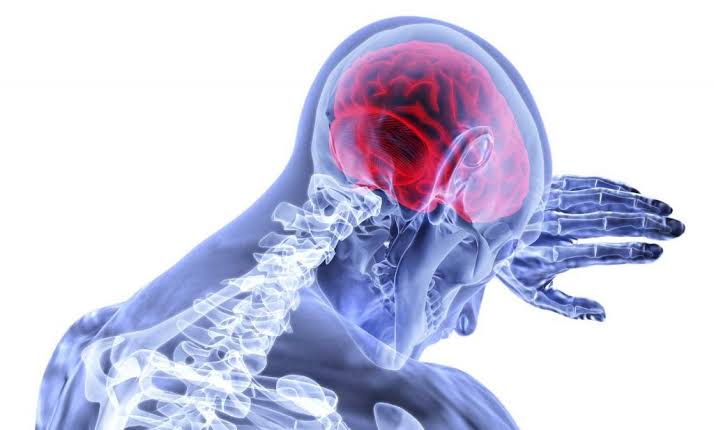
A seizure is one of the most frightening experiences a person or their family can witness. The body convulsing, the loss of consciousness, the confusion in the aftermath it is dramatic, alarming, and often the first signal that something is happening inside the brain.
What many people do not realise is that a seizure is a symptom, not a disease. It is the brain’s way of signalling that something is wrong with its electrical activity and the causes range from entirely benign (a single provoked episode from fever or electrolyte imbalance) to neurosurgically urgent (a brain tumour, haemorrhage, or abscess causing abnormal electrical discharge).
The most important thing to do after a first seizure is not to start an anticonvulsant medication. It is to get an MRI Brain.
At NeuroSpine Thane, Dr. Bharat Shinde evaluates patients referred after first seizures on a regular basis. A significant proportion have structural brain lesions that are the direct cause of the seizure and that require neurosurgical intervention, not just anticonvulsants.
| 30%
First Seizures with Structural Brain Cause |
MRI
Essential Investigation After Every First Seizure |
0
Anticonvulsants That Cure a Brain Tumour |
What Causes a Seizure? The Classification That Matters
➢ Provoked Seizures A Single Cause, Lower Recurrence Risk
A provoked seizure occurs in direct response to a specific trigger: fever (febrile convulsion in children), acute alcohol withdrawal, electrolyte imbalance, hypoglycaemia, or an acute intracranial event (haemorrhage, infection, injury). Once the provoking cause is treated, seizure recurrence risk is lower. These patients may not require long-term anticonvulsant therapy if the underlying cause is removed.
➢ Unprovoked Seizures Require Structural Exclusion First
An unprovoked seizure occurs without an identifiable metabolic or toxic trigger. These require urgent MRI Brain to exclude structural causes before being attributed to primary epilepsy. Approximately 30% of adults presenting with a first unprovoked seizure have a structural brain lesion on MRI. Until that MRI is done, prescribing anticonvulsants and calling it ‘epilepsy’ is diagnostic shorthand that may delay the correct treatment.
➢ Structural (Symptomatic) Seizures The Neurosurgical Domain
When a seizure is caused by a structural brain lesion tumour, haemorrhage, abscess, cavernoma, cortical dysplasia, AVM it is called a structural or symptomatic seizure. Anticonvulsants suppress the seizures but do not treat the underlying lesion. Neurosurgical treatment of the lesion is the definitive management and gives the best chance of seizure freedom.
| The MRI Rule After a First Seizure
Every adult who experiences a first unprovoked seizure should undergo MRI Brain with gadolinium contrast before any long-term anticonvulsant treatment is commenced. This is not optional it is the investigation that determines whether the seizure is a symptom of a treatable brain condition. A first seizure managed with carbamazepine without an MRI may be suppressing seizures from an untreated brain tumour that continues to grow. |
Structural Brain Conditions That Commonly Present as Seizures
✔ Brain Tumours
Low-grade gliomas, meningiomas, and brain metastases all commonly present with seizures often as the first and only symptom for months or years. The seizures arise from cortical irritation by the tumour. Surgical removal of the tumour is the most effective seizure treatment and may allow anticonvulsants to be weaned.
✔ Cavernous Malformation (Cavernoma)
Cavernomas bleed repeatedly at low pressure, depositing haemosiderin (a potent epileptogenic substance) in the surrounding cortex. Each bleed creates a larger epileptogenic zone. Early surgical excision of the cavernoma and its haemosiderin rim gives the best chance of seizure freedom.
✔ Brain Abscess
A brain abscess a pus collection in the brain is a potent epileptogenic focus. The seizure may be the first presentation of a previously unsuspected brain infection. Untreated, the abscess grows and the seizure risk escalates. Surgical drainage combined with antibiotics is curative.
✔ Cortical Dysplasia and Mesial Temporal Sclerosis
These are structural brain abnormalities areas of abnormally organised cortex or hippocampal scarring that cause drug-resistant epilepsy. Advanced MRI protocols and epilepsy surgery (resection of the dysplastic zone or temporal lobe) can achieve seizure freedom in carefully selected patients when medications fail.
✔ Chronic Subdural Haematoma
A blood collection on the surface of the brain can irritate the underlying cortex and cause seizures particularly in elderly patients. This presentation is frequently misattributed to ‘new onset epilepsy’ in an older adult, delaying the diagnosis of the haematoma.
When Is Epilepsy Surgery the Answer?
Approximately 30-40% of epilepsy patients do not achieve seizure freedom with anticonvulsant medications alone this is called drug-resistant or refractory epilepsy. For selected patients, surgery offers the prospect of seizure freedom that medication cannot provide.
- Structural lesion causing seizures that can be safely resected surgery is the most effective treatment
- Mesial temporal lobe epilepsy from hippocampal sclerosis temporal lobectomy achieves seizure freedom in 60–80% of appropriately selected patients
- Cortical dysplasia localised to a resectable area focal resection offers seizure freedom
- Cavernoma-related epilepsy cavernoma excision with haemosiderin zone removal
- Hemispherotomy for hemispheric epilepsy syndromes in children one of the most dramatic surgical outcomes in neurosurgery
Drug-resistant epilepsy is defined as failure of two appropriately chosen anticonvulsant medications at adequate doses. If two medications have failed, the chance of a third medication achieving seizure freedom is less than 5%. At this point, a neurosurgical evaluation for epilepsy surgery is appropriate and should not be delayed.
What to Do After a First Seizure: A Step-by-Step Guide
- Go to the emergency department do not drive yourself. Call for help.
- Request MRI Brain with gadolinium contrast specifically, not just CT scan. CT misses many structural causes of seizures.
- Do not accept a diagnosis of ‘epilepsy’ or start long-term anticonvulsants without MRI Brain.
- Request a neurosurgical consultation if MRI shows any structural lesion.
- Avoid driving until seizure-free for the medically recommended period (typically 6–12 months in India).
- Avoid heights, water exposure alone, and heavy machinery until cleared by your doctor.
Frequently Asked Questions
| Q: Does a first seizure mean I have epilepsy?
No. A single seizure is not a diagnosis of epilepsy. Epilepsy is defined as a tendency to have recurrent unprovoked seizures typically requiring two or more unprovoked seizures before the diagnosis is made. A first seizure requires investigation to find its cause. Management depends on the cause, not the seizure alone. |
| Q: Can anticonvulsants cure epilepsy?
Anticonvulsants control seizures they do not cure the underlying cause. For primary generalised epilepsy, anticonvulsants may be required lifelong. For structural epilepsy (tumour, cavernoma, abscess), treating the underlying lesion may allow anticonvulsants to be weaned. For drug-resistant epilepsy, surgery is the most effective path to seizure freedom. |
| Q: Is epilepsy surgery available in Thane?
Dr. Bharat Shinde at NeuroSpine Thane and Stellars Hospital evaluates and treats structural causes of seizures including brain tumours, cavernomas, brain abscesses, and selected cases of drug-resistant epilepsy. Patients from Thane and the MMR are evaluated and treated here. |
| Q: After a seizure, how quickly should I see a neurosurgeon?
If MRI Brain shows any structural lesion tumour, haematoma, abscess, cavernoma a neurosurgical consultation should be sought within days, not weeks. If MRI is normal and the seizure appears to be primary epilepsy, a neurologist is the appropriate ongoing specialist, with neurosurgical referral if drug resistance develops. |